
Keywords: Ni-Cd battery internal resistance, nickel-cadmium battery performance, industrial battery testing, NiCd impedance
Introduction
Internal resistance plays a critical role in determining the performance and efficiency of Nickel-Cadmium (Ni-Cd) batteries, especially in industrial and backup power applications. Understanding what internal resistance is and how it affects Ni-Cd battery performance helps users better evaluate battery health and reliability.
What Is Internal Resistance?
Internal resistance refers to the opposition to current flow within the battery. In Ni-Cd batteries, it comes from several components:
- Electrode resistance
- Electrolyte resistance
- Separator and cell construction
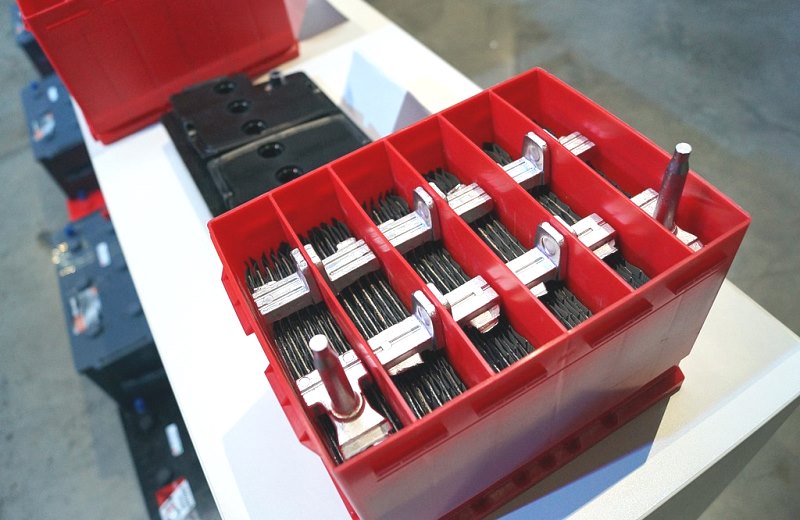
- Connection tabs and terminals
Why Internal Resistance Matters
High internal resistance leads to:
- Voltage drop under load
- Lower discharge efficiency
- Excess heating during heavy current output
- Shorter backup time in UPS/emergency systems
Typical Internal Resistance Range
Industrial Ni-Cd cells generally have very low internal resistance, making them suitable for high-discharge applications such as aviation, railway signaling, UPS, and power plants.
Conclusion
Understanding internal resistance helps users evaluate battery quality and predict long-term performance. Ni-Cd batteries are widely preferred in harsh environments precisely because their internal resistance remains stable over time.