
Keywords: IP54, IP65, IP67, lead-acid battery enclosure, waterproof battery, outdoor energy storage
Understanding the difference between IP54, IP65, and IP67 is essential when selecting lead-acid batteries for outdoor or harsh environments.
1. IP54 – Basic Protection
- Dust-protected (not dust-tight)
- Splash-resistant
- Suitable for:
- Indoor energy storage
- Sheltered telecom rooms
- Cabinet installations under roof cover
Limitations:
Not suitable for rain exposure or high humidity.
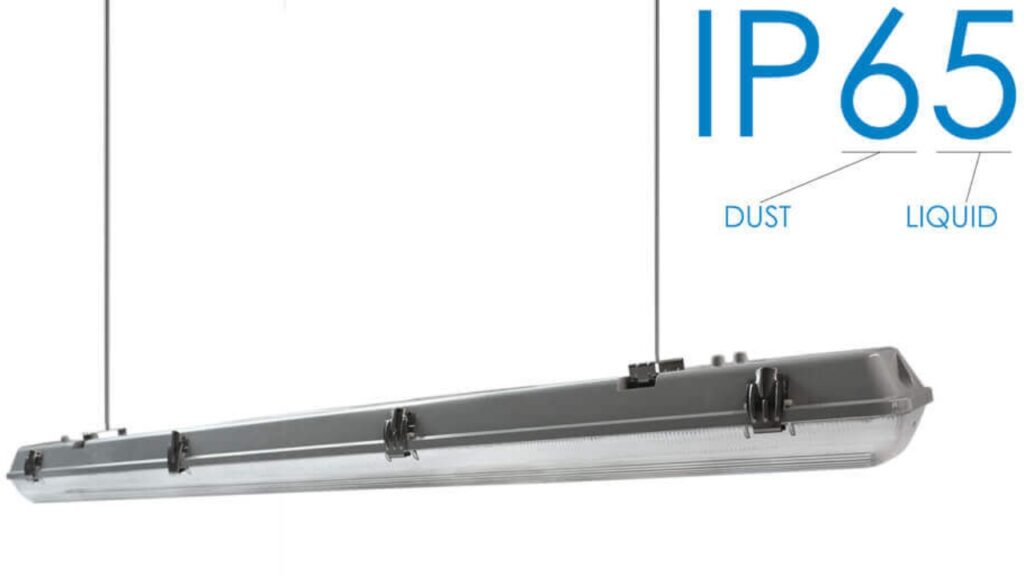
2. IP65 – Most Popular Outdoor Rating
- Fully dust-tight
- Resistant to water jets
- Suitable for:
- Outdoor solar battery cabinets
- Hybrid inverter systems
- EV charging backup batteries
Advantages:
Excellent balance of waterproofing and ventilation compatibility.
3. IP67 – Immersion Protection
- Dust-tight
- Withstands temporary immersion (up to 1 meter for 30 minutes)
Important Warning:
IP67 enclosures trap heat and hydrogen gas more easily. Without advanced venting, they may increase internal pressure and temperature.
4. Selection Summary
| IP Level | Suitable For | Risk Level |
|---|---|---|
| IP54 | Indoor / semi-protected areas | Low |
| IP65 | Outdoor energy storage | Very Low |
| IP67 | Flood-risk or marine environments | Medium |