
Meta Description
Discover how to correctly connect nickel-cadmium batteries in series and parallel for energy storage systems while ensuring safety, balance, and long lifespan.
Target Keywords
Ni-Cd battery series connection, Ni-Cd parallel connection, battery bank configuration, industrial Ni-Cd wiring
1. Understanding Connection Configurations
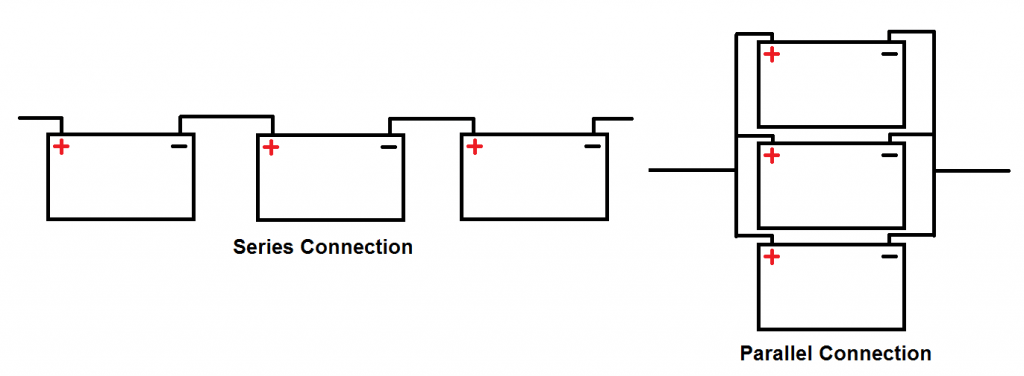
Ni-Cd batteries used in energy storage are configured in:
- Series connection (increase voltage)
- Parallel connection (increase capacity)
- Series-parallel hybrid systems
Each configuration requires precise wiring design.
2. Series Connection Method
2.1 Purpose
Series connection increases system voltage for DC power applications such as:
- Telecom backup power
- Solar energy storage
- UPS systems
2.2 Steps
- Connect positive terminal of one cell to negative of next
- Continue sequential wiring
- Use copper busbars for large banks
- Ensure identical cable cross-sections
2.3 Key Precautions
- Avoid mixing cells of different capacities
- Ensure all cells are fully charged before connection
- Maintain equal inter-cell resistance
3. Parallel Connection Method
Parallel connection improves energy storage capacity.
3.1 Balancing Requirements
Ni-Cd batteries tolerate parallel operation well, but:
- Use same batch and model batteries
- Install current-sharing busbars
- Add protective breakers per string
3.2 Common Mistakes
- Unequal cable lengths
- No individual protection devices
- Mixing old and new battery strings
These mistakes lead to uneven charging and premature aging.
4. Series-Parallel Hybrid Systems
For large energy storage systems:
- Series groups create voltage levels
- Parallel groups expand capacity
This configuration is common in:
- Grid energy storage
- Renewable hybrid systems
- Industrial backup power plants
5. Conclusion
Correct series and parallel wiring ensures:
- Stable voltage output
- Balanced charging
- Extended Ni-Cd battery lifespan