
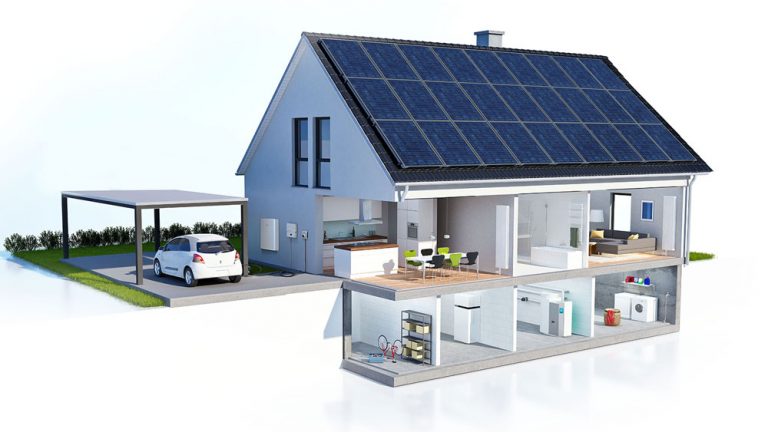
Keywords: lead-acid battery for home energy storage, solar energy storage battery, home backup battery system, deep cycle lead-acid battery
Introduction
When configuring a home energy storage system, selecting the right lead-acid battery is a critical step that directly affects system reliability, lifespan, and overall return on investment. Despite the rapid growth of lithium batteries, lead-acid batteries remain a popular choice due to their cost-effectiveness, safety, and mature technology.
1. Understand Home Energy Storage Requirements
Before selecting a lead-acid battery, homeowners and installers must clearly define:
- Daily energy consumption (kWh)
- Backup duration requirements
- Load priority (essential vs non-essential appliances)
- Available installation space
These factors determine the required battery capacity and configuration.
2. Choose the Correct Battery Type
For home energy storage, deep-cycle lead-acid batteries are strongly recommended:
- AGM lead-acid batteries for indoor installations
- Gel lead-acid batteries for better deep discharge tolerance
- OPzV / OPzS batteries for higher-capacity residential or villa systems
3. Voltage and System Compatibility
Common home storage systems operate at 12V, 24V, or 48V. Battery selection must align with inverter and charge controller specifications to avoid system inefficiency or failure.
4. Cycle Life and Depth of Discharge (DoD)
A higher cycle life at deeper DoD ensures longer service life. For residential storage, batteries designed for 50–80% DoD are preferable.
Conclusion
Selecting the right lead-acid battery ensures stable home energy storage, lower maintenance costs, and improved system efficiency over the long term.

26 Responses
This helped me understand things better.
Thanks for your reading!
This should help many readers.
Thanks for your reading!
Nicely explained with solid reasoning.
Thanks for your reading!
Top-level clarity — great work.
Thanks for your reading!
Thanks for making this understandable.
Thanks for your reading!
Great overview with clear detail.
Thank you for your affirmation and that is very important to us.
Saved as a favorite, I love your web site!
Thank you for your affirmation and that is very important to us.
Thanks for covering this topic!
Great job keeping it simple.
Good structure and flow, thanks!
Incredible points. Great arguments. Keep up the good effort.
Appreciate how you explained this concept.
Thanks for your reading!
Perfect clarity & detail, thanks!
Thanks for your reading!
Very thoughtful and well written.
Thanks for your reading dear friend!
You clarified this perfectly.
Thanks for your reading dear friend!