
Meta Description
A complete inspection checklist for evaluating lead-carbon batteries before purchase. Learn how to verify battery quality, specifications, and supplier reliability.
Keywords
lead carbon battery inspection, lead carbon battery quality check, energy storage battery inspection guide, lead carbon battery purchase checklist
Introduction
Purchasing batteries for energy storage systems represents a significant investment. Therefore, performing a comprehensive quality inspection before purchase is essential.
This checklist helps buyers verify whether the lead-carbon batteries meet technical and reliability requirements.
Verify Battery Capacity
Battery capacity should match the specifications provided by the manufacturer.
Common verification methods include:
- Capacity testing
- Discharge tests
- Third-party inspection reports
Capacity tolerance should typically be within ±5% of rated capacity.
Inspect Physical Appearance
The physical condition of the battery can reveal manufacturing quality.
Check for:
- Cracks in the battery case
- Loose terminals
- Electrolyte leakage
- Poor sealing
A well-manufactured battery should have clean finishing and strong structural integrity.
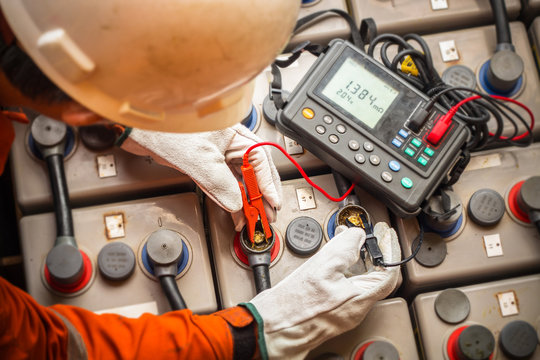
Check Internal Resistance
Internal resistance testing provides insight into battery health and consistency.
Low and consistent internal resistance indicates:
- Good plate design
- High manufacturing quality
- Proper internal connections
Review Manufacturing Date
Battery performance is affected by storage time.
Always confirm:
- Production date
- Storage conditions
- Transportation conditions
Fresh batteries generally provide better performance and longer service life.
Confirm Warranty Terms
Reliable manufacturers typically offer warranties such as:
- 3–5 years for energy storage applications
Warranty coverage should clearly specify:
- Performance conditions
- Replacement policies
Evaluate Supplier Reputation
Finally, consider the supplier’s reputation in the industry.
Key indicators include:
- Export experience
- International certifications
- Customer references
A reputable supplier is more likely to provide stable product quality and long-term support.
Conclusion
Before purchasing lead-carbon batteries, buyers should conduct a systematic evaluation including:
- Capacity verification
- Physical inspection
- Internal resistance testing
- Manufacturing date confirmation
- Warranty review
- Supplier evaluation
Following this checklist helps ensure that the batteries purchased will deliver reliable performance in energy storage applications.