
Meta Description
Lead carbon battery vs lithium battery for solar energy storage. Learn the differences in cost, cycle life, safety, and applications to choose the best battery technology.
Keywords
lead carbon battery vs lithium battery, solar energy storage battery comparison, lead carbon vs lithium battery, solar battery technology
Introduction
Solar energy storage systems require reliable batteries capable of handling frequent charge and discharge cycles. Two common battery technologies used today are lead-carbon batteries and lithium batteries.
While lithium batteries dominate many modern applications, lead-carbon batteries remain a competitive solution due to their lower cost, strong safety characteristics, and improved cycle life compared with traditional lead-acid batteries.
This article compares these two technologies to help buyers select the best option for their energy storage projects.
Technology Overview
Lead Carbon Battery
Lead-carbon batteries are an improved form of lead-acid batteries. Carbon materials are added to the negative electrode, which helps reduce sulfation and improve charge acceptance.
Key features include:
- Improved cycle life
- Good performance in partial state of charge (PSOC)
- Lower cost compared with lithium batteries
- Mature and reliable technology
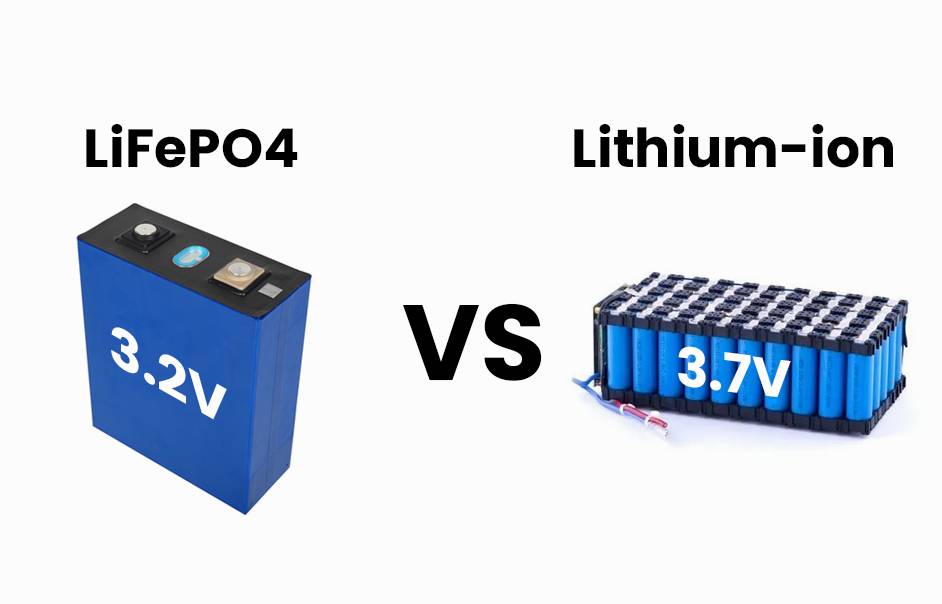
Lithium Battery (LiFePO4)
Lithium iron phosphate batteries have gained popularity due to their high energy density and long cycle life.
Key features include:
- Very long cycle life
- Lightweight design
- High energy density
- Fast charging capability
However, lithium batteries are typically more expensive and require advanced battery management systems.
Cost Comparison
Cost remains one of the most important factors in battery selection.
Typical comparison:
| Battery Type | Relative Cost |
|---|---|
| Lead Carbon Battery | Lower |
| Lithium Battery | Higher |
Lead-carbon batteries offer a lower initial investment, making them attractive for large-scale energy storage projects.
Cycle Life Comparison
Lithium batteries usually have longer cycle life.
Typical values:
- Lead Carbon Battery: 2000–3000 cycles
- Lithium Battery: 4000–6000 cycles
However, for many solar systems, lead-carbon batteries still provide sufficient lifespan for practical use.
Safety Considerations
Lead-carbon batteries have excellent safety characteristics.
Advantages include:
- No risk of thermal runaway
- Stable chemical structure
- Mature safety standards
Lithium batteries require battery management systems (BMS) to prevent overheating or overcharging.
Application Scenarios
Lead-carbon batteries are commonly used in:
- Solar energy storage systems
- Telecom backup power
- Off-grid energy storage
- Microgrid systems
Lithium batteries are more common in:
- Residential energy storage
- Electric vehicles
- Portable electronics
Conclusion
Both lead-carbon and lithium batteries offer valuable advantages for solar energy storage systems.
Lead-carbon batteries are ideal for users seeking:
- Lower initial investment
- High safety
- Reliable technology
Lithium batteries may be preferred when high energy density and longer cycle life are required.
Selecting the right battery depends on project budget, system size, and operational requirements.