
Primary Keywords:
mixing old and new lead acid batteries, parallel battery lifespan, battery bank replacement
Introduction
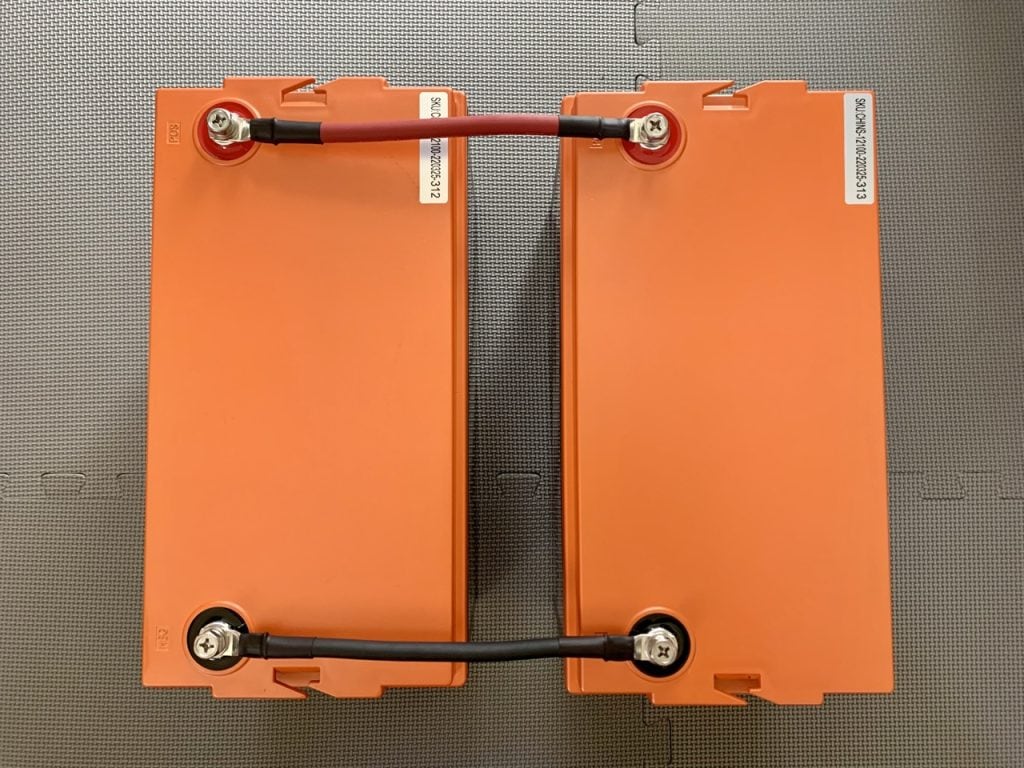
Many users attempt to expand capacity by adding new batteries in parallel with old ones. While this seems cost-effective, it often leads to faster system degradation.
What Happens When Batteries of Different Ages Are Paralleled
- New batteries supply most of the current
- Old batteries become chronically undercharged
- Internal resistance differences grow rapidly
Long-Term Consequences
- Accelerated aging of new batteries
- Reduced overall capacity
- Increased maintenance frequency
- Unexpected system downtime
Engineering Perspective
From an electrochemical standpoint, batteries with different sulfation levels and plate conditions cannot operate uniformly in parallel.
Best Replacement Practices
- Replace batteries in full parallel groups
- If expansion is unavoidable, isolate new batteries with DC-DC converters
- Track battery installation dates clearly
Conclusion
Mixing old and new lead-acid batteries in parallel is a short-term solution with long-term costs. Proper planning avoids repeated failures and higher lifetime expenses.