knowledge
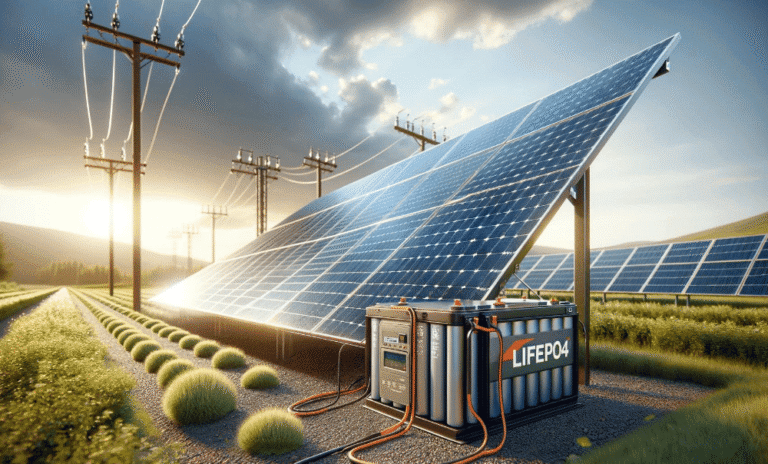
Temperature Management for LiFePO4 Batteries in Solar Systems
LiFePO4 batteries perform best in moderate temperatures (0°C to 45°C / 32°F to 113°F). Extreme

LiFePO4 batteries perform best in moderate temperatures (0°C to 45°C / 32°F to 113°F). Extreme
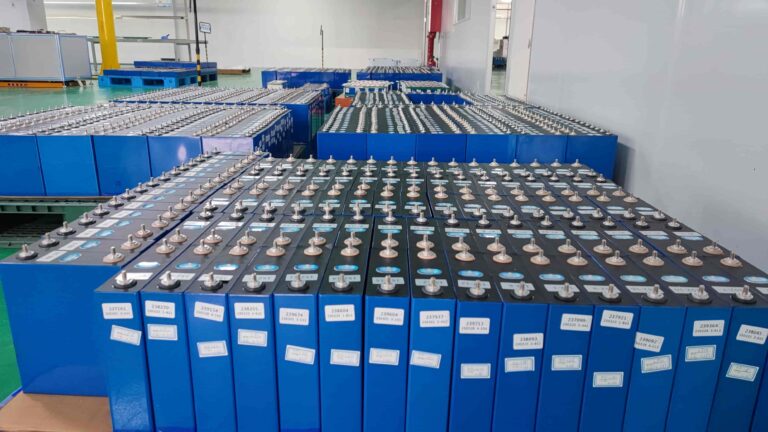
Proper charging and discharging habits significantly impact the lifespan of your LiFePO4 battery. Optimal Charging
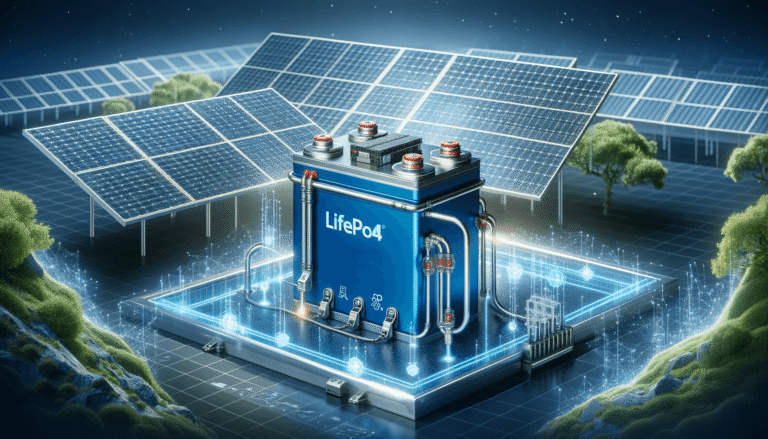
LiFePO4 (Lithium Iron Phosphate) batteries have become a top choice for solar energy storage due
Frequent rainy weather shortens the lifespan of lead-acid batteries in solar systems. Chronic undercharging leads
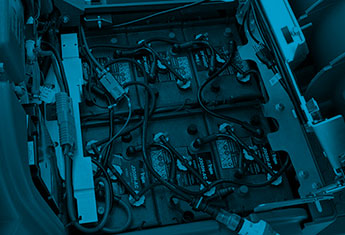
In monsoon climates, solar systems must be carefully managed to prevent lead-acid battery failure. Since
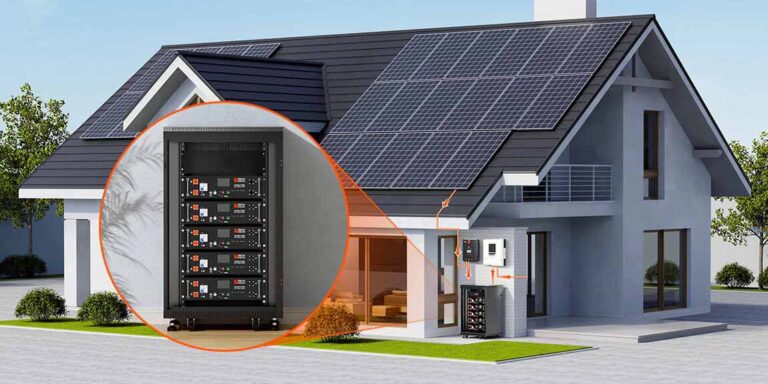
Rainy weather often brings temperature fluctuations, which affect lead-acid battery chemistry. Cold reduces capacity, while
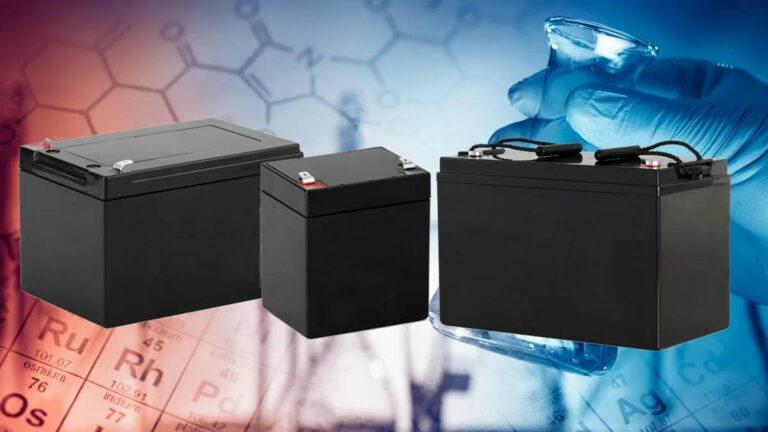
During extended cloudy or rainy periods, lead-acid batteries in solar systems may discharge deeply, risking
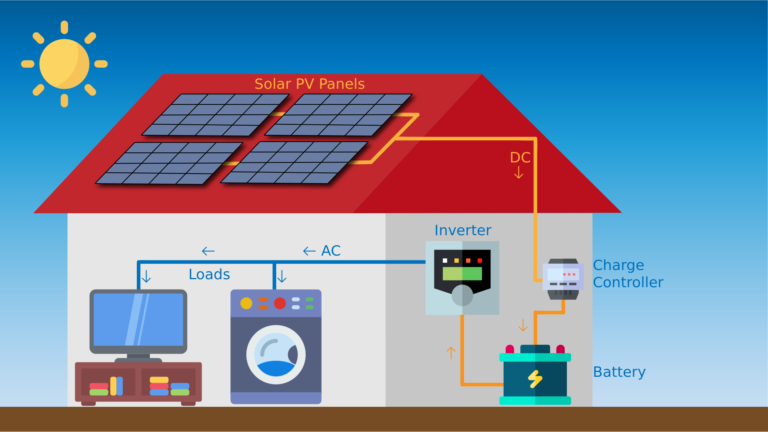
Humidity during rainy seasons can negatively affect lead-acid batteries in off-grid solar setups. Moisture promotes
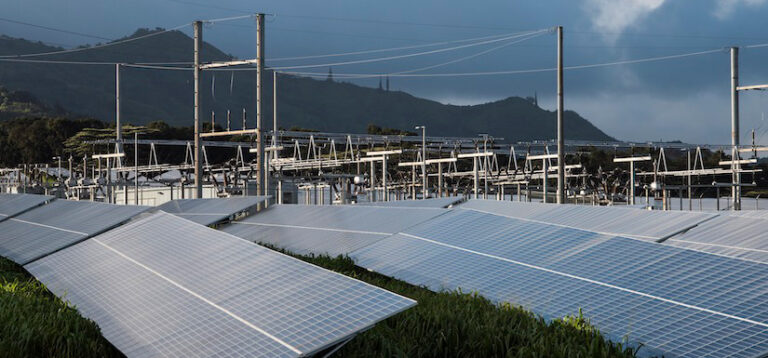
Rainy and overcast weather directly impacts the performance of lead-acid batteries in photovoltaic (PV) systems.

Even well-maintained OPzV batteries degrade over time. Watch for these signs: 1. Reduced Runtime 2.