
Meta Description
Learn practical methods to test lead acid battery capacity and evaluate battery health.
Keywords
battery capacity test, lead acid battery testing, battery health check
Introduction
Battery capacity testing is essential for evaluating:
- Battery health
- Remaining lifespan
- System reliability
Regular testing helps identify weak batteries before system failure occurs.
What Is Battery Capacity?
Capacity indicates how much energy a battery can store.
Usually measured in:
- Ah (Ampere-hours)
- kWh
Common Battery Testing Methods
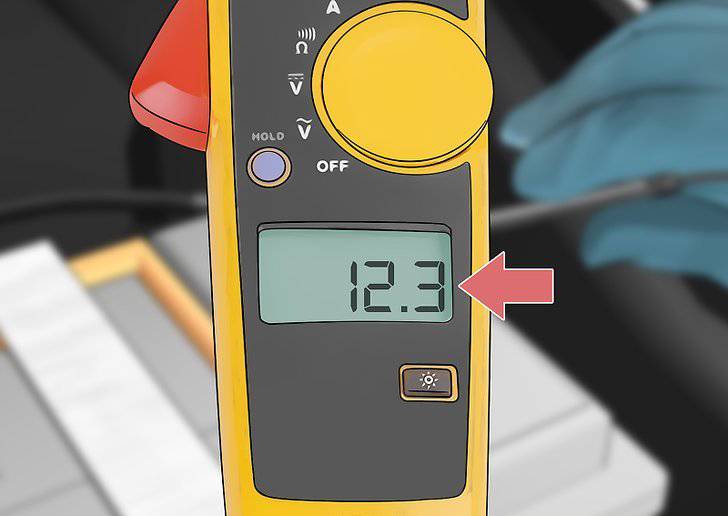
1. Voltage Testing
Simple but limited.
Measures battery voltage under no-load conditions.
2. Load Testing
Battery is tested under actual load.
Helps identify weak performance.
3. Discharge Capacity Testing
Most accurate method.
Battery is discharged under controlled conditions while measuring runtime.
Capacity Test Procedure
Step 1
Fully charge the battery.
Step 2
Allow battery to rest.
Step 3
Apply controlled discharge load.
Step 4
Measure discharge time and voltage.
Step 5
Calculate actual capacity.
Signs of Weak Capacity
- Short runtime
- Rapid voltage drop
- Inconsistent performance
Why Capacity Testing Matters
Benefits include:
- Preventing system failure
- Planning battery replacement
- Improving maintenance strategy
Conclusion
Regular battery capacity testing is essential for maintaining reliable energy storage systems.
Discharge testing remains the most accurate method.
FAQ
Q1: How often should capacity tests be performed?
Usually every 6–12 months.
Q2: Is voltage testing enough?
No, discharge testing is more accurate.
Q3: Can weak batteries recover?
Sometimes partially, depending on damage.