
Meta Description
Learn how to choose the right lead-carbon battery for energy storage systems. Discover capacity selection, cycle life, charging performance, and key purchasing tips.
Keywords
lead carbon battery, lead carbon battery for energy storage, how to choose lead carbon battery, lead carbon battery selection guide, solar energy storage battery
Introduction
With the rapid development of renewable energy systems, lead-carbon batteries have become an increasingly popular energy storage solution. By combining traditional lead-acid battery technology with carbon materials, these batteries significantly improve cycle life, charge acceptance, and partial state of charge (PSOC) performance.
However, selecting the right lead-carbon battery for your application requires careful evaluation of several technical parameters. In this guide, we explain how to properly choose a lead-carbon battery for solar energy storage, telecom backup systems, and industrial applications.
What Is a Lead-Carbon Battery?
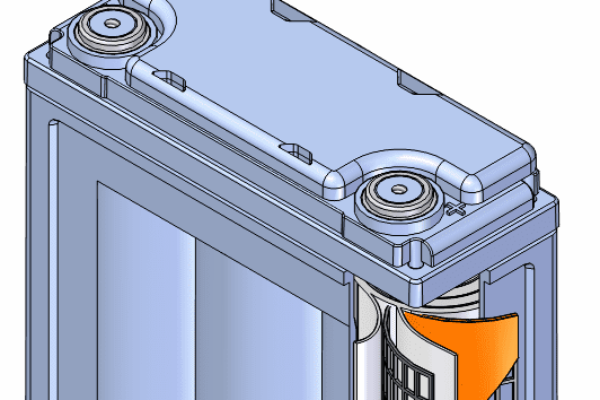
A lead-carbon battery is an advanced lead-acid battery where carbon materials are added to the negative electrode. This design helps reduce sulfation and improves battery performance in high-cycle applications.
Main advantages include:
- Higher cycle life
- Faster charging capability
- Better PSOC performance
- Improved charge acceptance
- Reduced sulfation risk
Because of these advantages, lead-carbon batteries are widely used in:
- Solar power storage systems
- Microgrid energy storage
- Off-grid renewable energy systems
- Telecom base stations
Key Factors When Choosing a Lead-Carbon Battery
1. Cycle Life
Cycle life is one of the most important indicators when selecting an energy storage battery.
Typical performance:
| Battery Type | Cycle Life |
|---|---|
| Traditional Lead Acid | 300–500 cycles |
| AGM Battery | 500–800 cycles |
| Lead Carbon Battery | 1500–3000 cycles |
High-quality lead-carbon batteries can achieve over 3000 cycles at 50% depth of discharge (DOD).
When purchasing, always request:
- Cycle life test reports
- Third-party test certifications
2. Depth of Discharge (DOD)
Energy storage batteries must operate with frequent deep discharges.
Lead-carbon batteries support deeper discharge compared to traditional lead-acid batteries.
Typical recommended values:
- 50% DOD for long lifespan
- Up to 80% DOD for certain designs
Selecting a battery with higher allowable DOD improves the usable energy capacity of the system.
3. Charge Acceptance Ability
One of the biggest advantages of lead-carbon batteries is their excellent charge acceptance performance.
This is especially important in renewable energy systems where:
- Solar generation fluctuates
- Charging windows may be short
Lead-carbon batteries can accept charge 2–3 times faster than conventional lead-acid batteries.
4. Operating Temperature Range
Energy storage batteries must operate reliably under different environmental conditions.
Typical lead-carbon battery temperature range:
- Charging: 0°C – 45°C
- Discharging: -20°C – 60°C
For projects in Middle East or Africa, high temperature performance should be carefully evaluated.
5. Battery Design Type
Lead-carbon batteries are commonly available in:
- 2V cells (OPzV / OPzS structure)
- 12V monoblock batteries
For large energy storage systems:
- 2V batteries are recommended
They offer:
- Better heat dissipation
- Longer service life
- Easier maintenance
Certifications and Quality Standards
When selecting a supplier, ensure the battery meets international standards such as:
- IEC 60896
- IEC 61427
- CE Certification
- ISO 9001 manufacturing quality system
Reliable manufacturers also provide:
- Factory testing reports
- Capacity test certificates
Application Matching
Choosing the right battery also depends on the application.
Solar Energy Storage
Key requirements:
- High cycle life
- Good PSOC performance
- Fast charging capability
Telecom Backup Systems
Key requirements:
- Long float life
- Stable voltage output
- Low maintenance
Off-Grid Systems
Key requirements:
- Deep discharge capability
- Strong durability
- High reliability
Conclusion
Lead-carbon batteries represent an important evolution of traditional lead-acid technology, offering longer cycle life, improved charge acceptance, and better performance in renewable energy storage systems.
When choosing a lead-carbon battery, always evaluate:
- Cycle life
- Depth of discharge
- Charging performance
- Operating temperature
- Manufacturer reliability
By selecting the right battery solution, energy storage systems can achieve higher efficiency, longer lifespan, and lower long-term operating costs.