
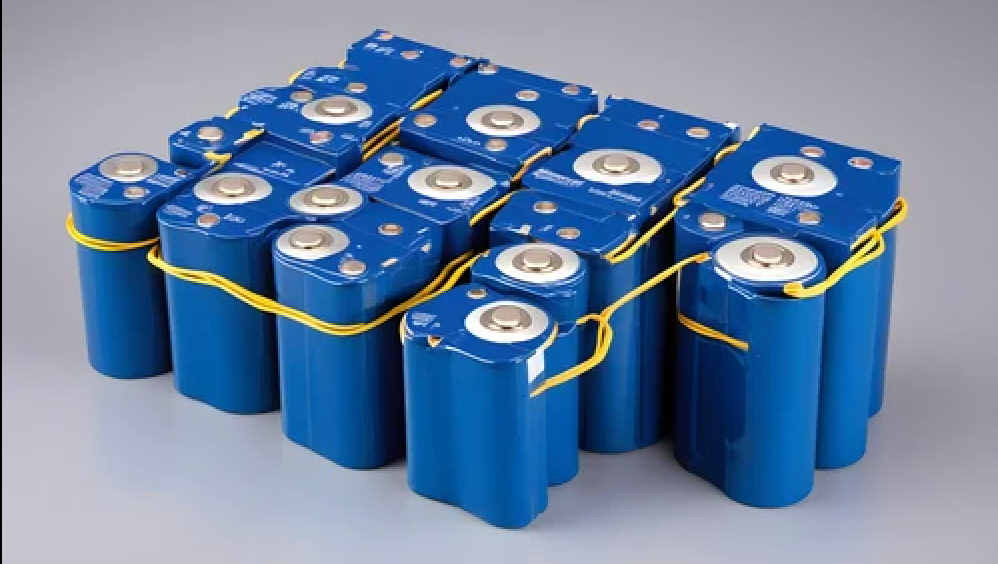
Why Power Plants Still Use Nickel-Cadmium Batteries
In an era dominated by lithium batteries and advanced energy storage technologies, many engineers are surprised to learn that power plants around the world still rely heavily on nickel-cadmium (NiCd) batteries.
Whether in thermal power stations, hydroelectric plants, gas turbine facilities, nuclear power plants, or renewable energy installations, NiCd batteries remain one of the most trusted technologies for critical DC backup systems.
The reason is simple:
When a power plant experiences a blackout, battery failure is not an option.
This article explains why power utilities continue choosing NiCd batteries and why they remain the preferred solution for many mission-critical applications.
The Role of Batteries in Power Plants
Many people assume batteries in power plants are only used for emergency lighting.
In reality, batteries support some of the most critical systems in the facility.
These include:
- Protection relays
- Circuit breaker operation
- SCADA systems
- Communication equipment
- Emergency shutdown systems
- Turbine control systems
- Fire protection systems
- Monitoring equipment
Without reliable battery backup, a power plant may lose its ability to control and protect critical equipment during an emergency.
Understanding the DC Power System
Most power plants operate dedicated DC systems.
Common DC voltages include:
- 110V DC
- 220V DC
The DC battery bank continuously supports essential equipment and remains connected through a charger under float operation.
When AC power is lost, the battery immediately supplies power without interruption.
The reliability of this system is vital to plant safety.
Why Reliability Matters More Than Cost
In commercial applications, battery selection is often based on purchase price.
Power plants use a different approach.
The real cost of battery failure may include:
- Equipment damage
- Generation losses
- Grid instability
- Safety incidents
- Regulatory penalties
For this reason, utilities prioritize reliability above all else.
Long Service Life
One of the biggest advantages of NiCd batteries is their exceptional lifespan.
Industrial pocket plate NiCd batteries commonly achieve:
- 15 years
- 20 years
- 25 years or more
under proper operating conditions.
Many power plants operate NiCd battery systems for decades before replacement becomes necessary.
Excellent High Temperature Performance
Power plants often expose batteries to elevated temperatures.
Examples include:
- Turbine buildings
- Outdoor substations
- Desert installations
- Tropical climates
NiCd batteries tolerate high temperatures significantly better than many alternative technologies.
Advantages include:
- Lower capacity degradation
- Stable performance
- Reduced risk of premature failure
This is particularly valuable in regions such as:
- Middle East
- Africa
- Southeast Asia
- South America
Superior Low Temperature Operation
Many utility installations are located in cold climates.
Examples include:
- Northern Europe
- Canada
- Russia
- Mountain hydroelectric facilities
NiCd batteries maintain reliable discharge capability even at very low temperatures.
This helps ensure emergency systems remain operational during winter conditions.
Outstanding Float Charge Performance
Power plant batteries spend most of their life on float charge.
This means they remain connected to a charger continuously for many years.
NiCd batteries are particularly well suited to this operating mode.
Benefits include:
- Excellent charge acceptance
- Low degradation
- Long operational life
- Stable standby performance
High Tolerance to Abuse
Industrial batteries occasionally experience abnormal conditions.
Examples include:
- Overcharging
- Deep discharge
- Voltage fluctuations
- Delayed maintenance
NiCd batteries are highly tolerant of these conditions.
This abuse resistance is one reason utilities trust them in critical applications.