
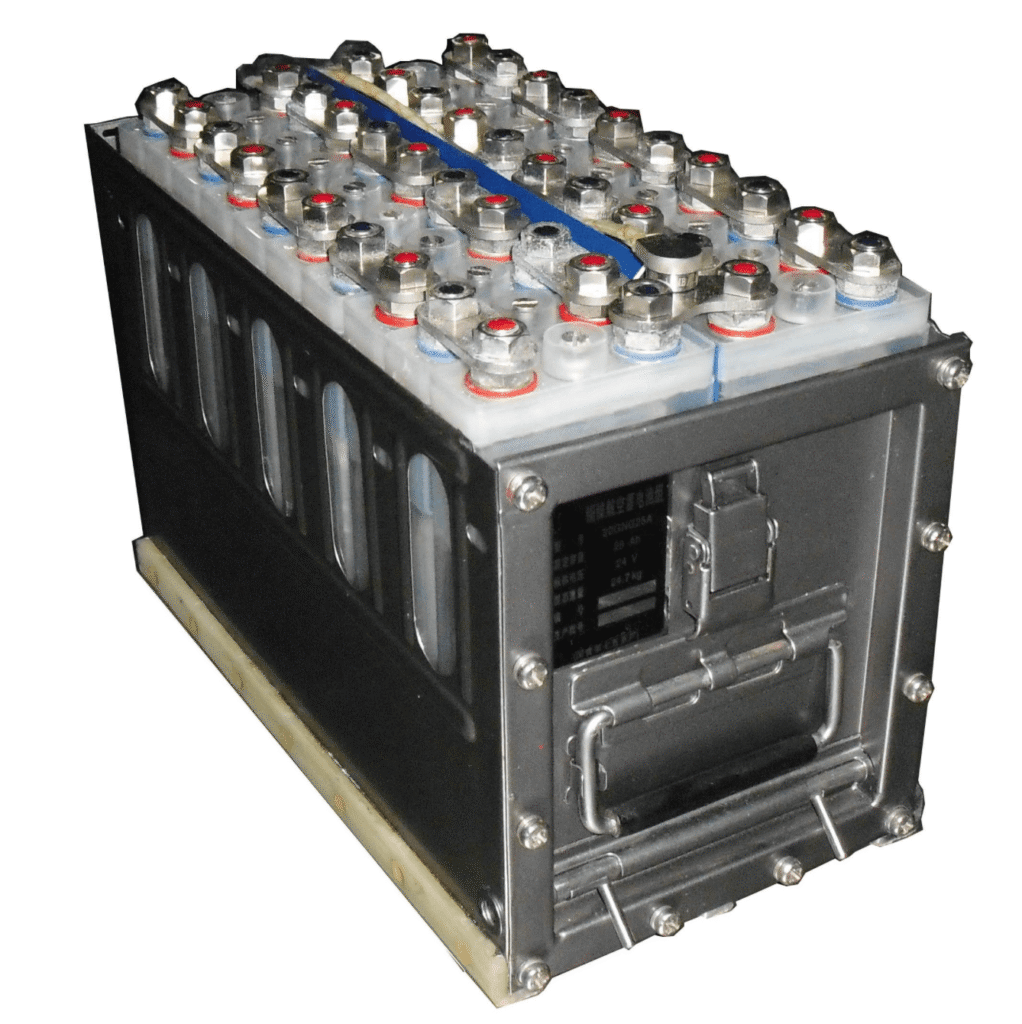
Industrial nickel-cadmium (NiCd) batteries are known for their exceptional reliability, long service life, and ability to perform in harsh environments.
However, even the most durable battery systems require proper maintenance to achieve their full operational potential.
A well-maintained NiCd battery can provide reliable service for 20 years or more, while poor maintenance may significantly reduce performance and lifespan.
This guide explains how to maintain industrial NiCd batteries correctly and avoid common maintenance mistakes.
Why Maintenance Matters
Proper maintenance helps:
- Extend battery life
- Improve reliability
- Detect problems early
- Reduce downtime
- Lower lifecycle costs
Regular inspections can identify developing issues before they affect system performance.
Understanding Industrial NiCd Battery Components
A typical industrial NiCd battery consists of:
- Positive plates
- Negative plates
- Electrolyte
- Cell containers
- Connectors and terminals
- Venting systems
Each component should be included in maintenance programs.
Recommended Maintenance Schedule
| Activity | Frequency |
|---|---|
| Visual Inspection | Monthly |
| Voltage Measurement | Quarterly |
| Electrolyte Level Check | Quarterly |
| Terminal Inspection | Quarterly |
| Capacity Test | Annually |
| Detailed System Audit | Every 2–3 Years |
The exact schedule depends on application requirements and manufacturer recommendations.
Monthly Visual Inspection
Inspect for:
- Physical damage
- Cracks
- Corrosion
- Electrolyte leakage
- Loose connections
Early detection helps prevent larger problems.
Electrolyte Level Inspection
Industrial vented NiCd batteries contain electrolyte that may require periodic replenishment.
Check:
- Electrolyte level indicators
- Signs of evaporation
- Manufacturer-specified fill levels
Always use approved water when replenishment is required.
Terminal Maintenance
Battery terminals should remain:
- Clean
- Tight
- Corrosion-free
Inspect for:
- Oxidation
- Loose hardware
- Overheating signs
Poor connections increase resistance and reduce system efficiency.
Voltage Monitoring
Periodic voltage checks help identify:
- Weak cells
- Cell imbalance
- Charging problems
Record measurements to establish performance trends over time.
Capacity Testing
Capacity testing verifies actual battery performance.
Benefits include:
- Identifying aging cells
- Confirming backup duration
- Supporting replacement planning
Many utilities conduct annual capacity testing for critical systems.
Charger Inspection
Charging systems should be inspected regularly.
Verify:
- Float voltage settings
- Equalization settings
- Temperature compensation
- Alarm functions
Improper charging is one of the most common causes of battery problems.
Environmental Monitoring
Battery rooms should maintain appropriate conditions.
Monitor:
- Temperature
- Humidity
- Ventilation
- Cleanliness
Good environmental control supports longer battery life.
Common Maintenance Mistakes
Ignoring Capacity Testing
Without testing, capacity loss may go unnoticed until an emergency occurs.
Using Incorrect Water
Only approved water should be used when replenishing electrolyte.
Neglecting Charger Settings
Incorrect charging parameters can damage batteries over time.
Failing to Document Maintenance
Maintenance records help identify long-term trends and predict replacement needs.
Delaying Repairs
Minor issues can become major failures if ignored.
Benefits of Preventive Maintenance
Preventive maintenance helps:
- Increase reliability
- Extend lifespan
- Improve safety
- Reduce costs
- Minimize downtime
The return on investment is often substantial.
FAQ
How often should NiCd batteries be inspected?
Visual inspections are typically performed monthly, with more detailed checks conducted quarterly or annually.
Do NiCd batteries require electrolyte maintenance?
Vented NiCd batteries may require periodic electrolyte replenishment.
Why is capacity testing important?
Capacity testing confirms that batteries can still provide the required backup power.
Can poor maintenance reduce battery life?
Yes. Improper maintenance can significantly shorten service life.
What is the most important maintenance activity?
A combination of inspections, voltage monitoring, and capacity testing provides the best results.
Conclusion
Industrial NiCd batteries are among the most reliable energy storage technologies available.
Proper maintenance ensures they continue delivering:
- Reliable backup power
- Long service life
- Strong operational performance
Organizations that implement comprehensive maintenance programs can maximize the value of their NiCd battery investments for decades.