
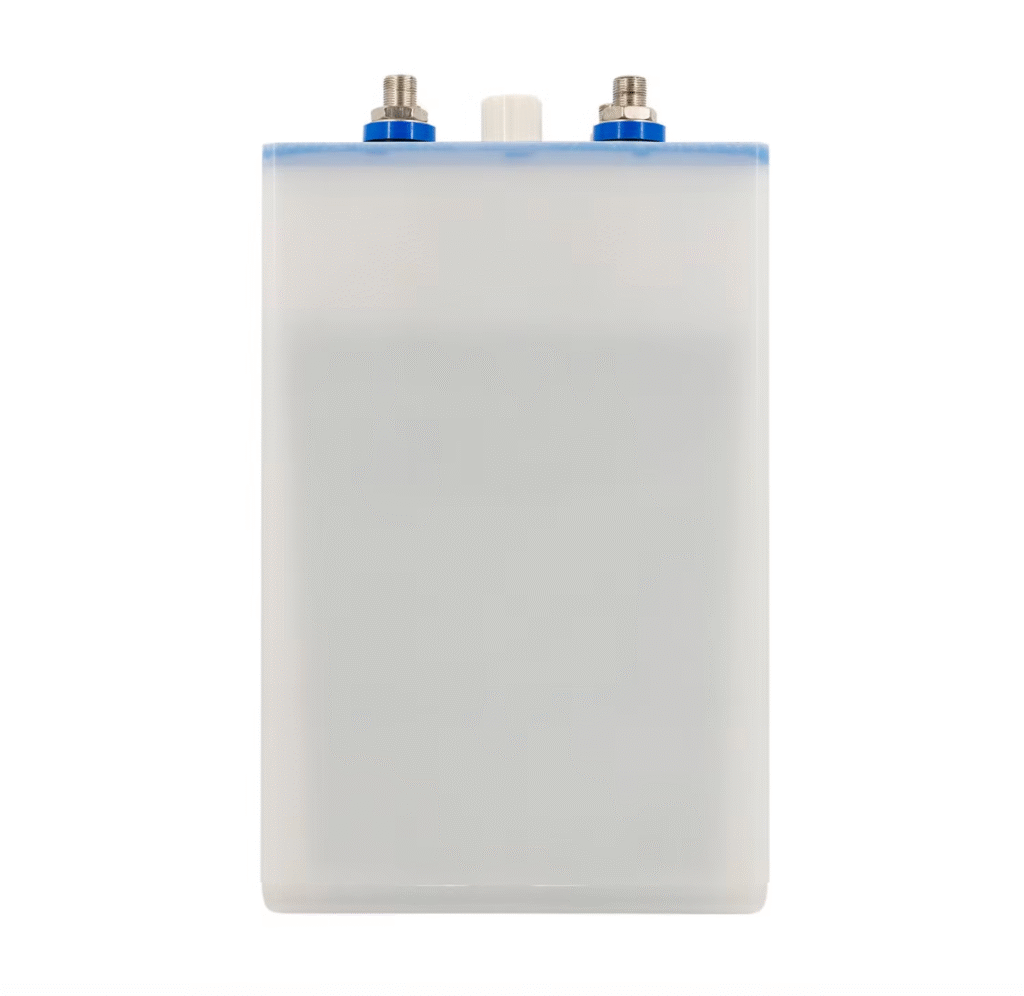
Choosing the right nickel-cadmium battery supplier is just as important as choosing the battery itself.
Many industrial projects fail not because of battery technology, but because buyers select suppliers that cannot provide:
- Consistent quality
- Technical support
- Reliable delivery
- Long-term service
Before purchasing industrial NiCd batteries, buyers should evaluate suppliers carefully.
The following ten questions can help reduce risk and improve procurement decisions.
1. Are You a Manufacturer or Trading Company?
Understanding the supplier’s role is essential.
Manufacturers typically offer:
- Better technical support
- More customization options
- Stable production capacity
- Better pricing control
Ask for:
- Factory photos
- Production videos
- Factory audit reports
2. How Many Years Have You Produced Industrial NiCd Batteries?
Experience matters.
Suppliers with extensive production history generally have:
- Mature manufacturing processes
- Stable quality systems
- Strong technical expertise
Look for companies with proven industrial project experience.
3. What Certifications Do Your Batteries Have?
Important certifications may include:
- ISO 9001
- IEC standards
- CE declarations
- Quality management certifications
Certification requirements vary by country and project.
4. Can You Provide Reference Projects?
Ask for examples in:
- Power plants
- Railways
- Telecom systems
- Utilities
- Renewable energy projects
Real project references demonstrate capability.
5. What Is the Expected Service Life?
A reputable supplier should clearly explain:
- Design life
- Expected service life
- Maintenance requirements
Avoid suppliers making unrealistic lifespan claims.
6. Can You Provide Discharge Curves and Technical Data?
Technical documentation should include:
- Capacity ratings
- Discharge curves
- Temperature performance
- Internal resistance data
Professional suppliers provide complete technical information.
7. What Warranty Do You Offer?
Industrial battery warranties typically range from:
- 2 years
- 3 years
- 5 years
depending on application and supplier policy.
8. What Is Your Production Lead Time?
Project schedules depend on reliable delivery.
Ask about:
- Standard lead time
- Peak season capacity
- Emergency production capability
9. What Technical Support Is Available?
Support should include:
- Battery sizing assistance
- Installation guidance
- Maintenance recommendations
- Troubleshooting support
Strong technical support reduces project risk.
10. What Is Your Quality Control Process?
Quality control should cover:
- Incoming material inspection
- Production testing
- Capacity verification
- Final inspection
Reliable suppliers maintain comprehensive testing procedures.
Red Flags to Watch For
Be cautious if suppliers:
- Cannot provide datasheets
- Refuse factory verification
- Offer unusually low prices
- Lack certifications
- Cannot explain technical specifications
These may indicate quality concerns.
Why Supplier Selection Matters
The battery supplier affects:
- Product quality
- Project reliability
- Long-term support
- Operational success
Choosing the right supplier is an investment in project performance.
FAQ
Why should I verify whether a supplier is a manufacturer?
Because manufacturers typically provide better technical support and production control.
Are certifications important?
Yes. Certifications help verify quality and compliance.
Should I request project references?
Absolutely. References demonstrate real-world experience.
What is a reasonable warranty period?
Industrial battery warranties commonly range from 2–5 years.
Why are extremely low prices risky?
Very low pricing may indicate lower quality materials or manufacturing standards.
Conclusion
Industrial NiCd batteries are long-term investments.
Asking the right questions before purchasing helps buyers:
- Reduce risk
- Improve reliability
- Ensure quality
- Achieve better project outcomes
A reliable supplier is often the foundation of a successful battery project.