
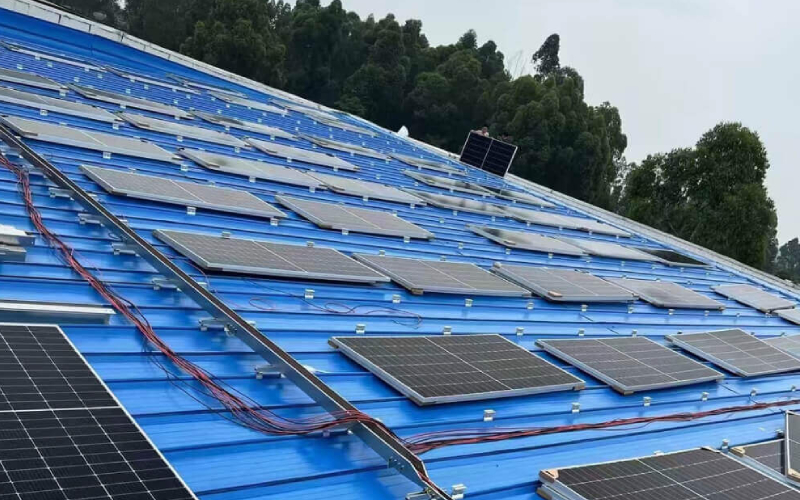
Across Africa, governments and development organizations are investing heavily in solar mini-grid projects to expand electricity access in rural communities.
Countries such as:
- Kenya
- Tanzania
- Uganda
- Nigeria
- Ethiopia
- Zambia
- Malawi
- Rwanda
have launched thousands of off-grid and hybrid energy projects.
A reliable battery system is one of the most important components of these installations.
Why Batteries Are Critical for Mini-Grids
Solar panels generate electricity only during daylight hours.
Battery systems store surplus energy for:
- Nighttime operation
- Cloudy weather
- Peak demand periods
- Emergency backup
Without dependable batteries, system availability decreases significantly.
Challenges in Rural Electrification Projects
Mini-grid battery systems often face:
High Temperatures
Remote installations frequently operate in hot climates.
Limited Maintenance
Technicians may only visit sites occasionally.
Low-maintenance batteries reduce operating costs.
Frequent Cycling
Daily charge and discharge cycles require durable battery technology.
Remote Logistics
Battery replacement can be expensive due to transportation challenges.
Long service life is therefore highly desirable.
Comparing Battery Technologies
| Technology | Service Life | Temperature Performance | Maintenance | Suitability |
|---|---|---|---|---|
| AGM | 3–5 years | Moderate | Low | Small projects |
| GEL | 5–8 years | Good | Low | Medium projects |
| OPzV | 10–15 years | Good | Very Low | Utility mini-grids |
| OPzS | 12–20 years | Good | Medium | Large systems |
| NiCd | 15–25 years | Excellent | Low | Harsh environments |
| LiFePO4 | 10–15 years | Good | Very Low | Hybrid systems |
Why Some Mini-Grid Developers Choose NiCd Batteries
NiCd batteries provide:
- Excellent temperature tolerance
- Long design life
- Reliable deep discharge recovery
- Low maintenance
- Proven field performance
These characteristics are valuable in remote locations.
Typical Applications
Battery systems support:
- Village microgrids
- Schools
- Rural clinics
- Water pumping stations
- Telecom towers
- Community centers
Procurement Tips
Before selecting a battery supplier, verify:
- IEC compliance
- Experience with renewable energy projects
- Technical support
- Warranty
- Availability of replacement parts
FAQ
Are NiCd batteries suitable for solar mini-grids?
Yes. They are particularly suitable where reliability and long service life are priorities.
Which battery performs best in hot climates?
Industrial NiCd batteries provide excellent performance under high temperatures.
How long do NiCd batteries last in solar applications?
Typically 15–25 years, depending on operating conditions.
Are lithium batteries replacing NiCd in mini-grids?
Lithium batteries are increasingly popular, but NiCd remains valuable in harsh and remote environments.
Conclusion
Solar mini-grids are transforming electricity access across Africa.
Selecting the right battery technology is essential for ensuring reliable, long-term operation.
Industrial NiCd batteries offer:
- Long service life
- High-temperature resistance
- Reliable cycling performance
- Low maintenance
making them a strong option for demanding rural electrification projects.