
Africa is home to some of the world’s largest mining operations.
Major mining countries include:
- South Africa
- Zambia
- Democratic Republic of the Congo (DRC)
- Ghana
- Tanzania
- Botswana
- Namibia
- Zimbabwe
- Guinea
These operations extract valuable resources such as:
- Gold
- Copper
- Cobalt
- Lithium
- Platinum
- Iron ore
- Bauxite
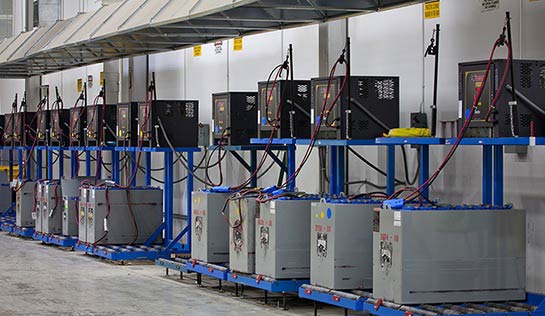
Mining facilities operate around the clock, often in remote areas where power reliability is limited.
As a result, industrial battery systems are essential for maintaining safe and continuous operations.
Why Backup Power Is Essential in Mining
Mining operations depend on electrical systems for:
- Conveyor systems
- Crushers
- Hoists
- Ventilation
- Dewatering pumps
- Process control
- Safety monitoring
- Emergency shutdown systems
Even a short interruption can lead to:
- Production losses
- Equipment damage
- Worker safety risks
- Costly downtime
Reliable battery backup is therefore a critical component of mining infrastructure.
Challenges Faced by Mining Battery Systems
High Ambient Temperatures
Many African mines operate in regions where daytime temperatures regularly exceed 40°C.
Battery rooms and electrical enclosures may become even hotter.
Dust and Vibration
Mining environments expose equipment to:
- Heavy dust
- Continuous vibration
- Mechanical shock
Battery systems must withstand these harsh conditions.
Remote Locations
Many mines are located far from major cities.
Maintenance visits are expensive and time-consuming.
Long-life battery systems reduce operational costs.
Unstable Utility Power
Grid interruptions and generator transitions are common.
Battery systems must deliver reliable DC power during these events.
Why NiCd Batteries Are Well Suited to Mining
Industrial NiCd batteries provide several advantages for mining operations.
High Reliability
Mining companies prioritize operational continuity.
NiCd batteries have a long history of dependable performance in industrial environments.
Excellent High-Temperature Performance
Unlike many battery technologies, NiCd batteries maintain stable performance in hot climates.
Long Operational Life
Typical design life:
15–25 years
This reduces replacement frequency over the life of the mine.
Strong Deep Discharge Recovery
Frequent outages may require batteries to discharge deeply.
NiCd batteries recover effectively without significant loss of capacity.
Typical Mining Applications
Industrial battery systems support:
- Mine substations
- Protection relays
- Switchgear
- SCADA systems
- Communication networks
- Emergency lighting
- Fire detection systems
- Ventilation control
Recommended Battery Technologies
| Application | Recommended Technology |
|---|---|
| Utility substations | NiCd |
| Emergency shutdown | NiCd |
| Underground communication | NiCd |
| Solar hybrid systems | NiCd / LiFePO4 |
| General UPS | OPzV / NiCd |
Procurement Checklist
Mining companies should evaluate suppliers based on:
- IEC compliance
- Mining project references
- Environmental performance
- Technical support
- Lifecycle cost
- Export capability
FAQ
Which battery technology is best for mining?
Industrial NiCd batteries are widely used because of their reliability and environmental tolerance.
Why are NiCd batteries suitable for African mines?
They perform well in high temperatures, dusty environments, and remote locations.
How long do industrial NiCd batteries last?
Typically 15–25 years.
Can NiCd batteries support underground mining systems?
Yes. They are commonly used for communication, safety, and emergency systems.
Conclusion
Mining operations require dependable battery systems capable of operating in some of the world’s harshest environments.
Industrial NiCd batteries continue to provide:
- Reliable emergency power
- Long service life
- Excellent heat resistance
- Proven industrial performance
making them an ideal choice for African mining projects.