
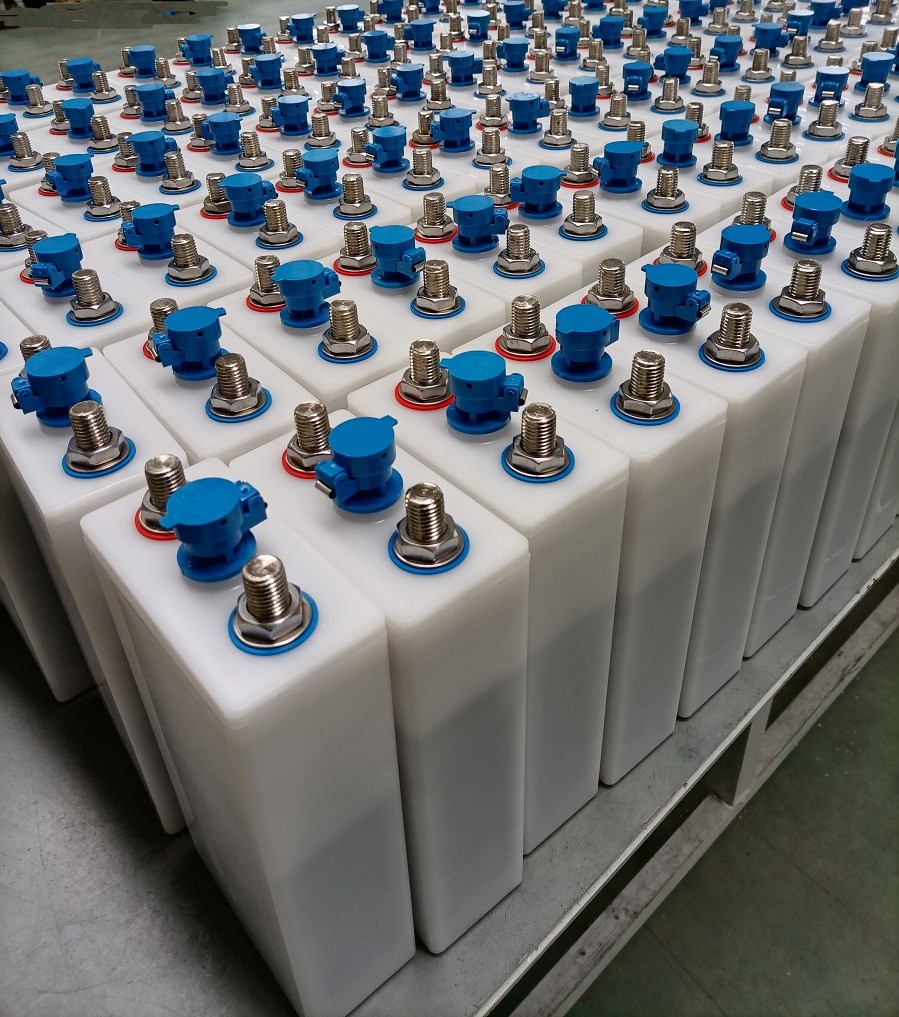
China has become one of the world’s largest manufacturing bases for industrial batteries.
Today, thousands of companies claim to manufacture Nickel-Cadmium (NiCd) batteries.
However, not all suppliers have the same production capability, engineering expertise, or quality control standards.
For buyers involved in:
- Utility projects
- Railway infrastructure
- Telecom networks
- Power plants
- EPC contracting
- Renewable energy systems
choosing the wrong manufacturer can lead to years of operational problems.
This guide explains how to identify a reliable Chinese NiCd battery manufacturer and avoid common sourcing mistakes.
Why China Has Become a Major NiCd Battery Manufacturing Hub
Over the past two decades, China has developed a comprehensive industrial battery supply chain.
Advantages include:
- Competitive manufacturing costs
- Large-scale production
- Skilled engineering teams
- Mature export logistics
- OEM and private label capability
Many industrial battery projects worldwide now source products from Chinese manufacturers.
Manufacturer vs Trading Company
The first question buyers should ask is:
Are you the actual manufacturer?
This distinction matters because manufacturers generally offer:
- Better technical support
- More stable production quality
- Flexible customization
- Shorter communication chains
- Better cost control
Trading companies may be suitable for small purchases but often have limited control over production.
Evaluate Manufacturing Experience
Industrial NiCd batteries require specialized production processes.
Look for manufacturers with experience in:
- Pocket plate technology
- Industrial backup power
- Utility projects
- Railway applications
- Telecom systems
Long-term manufacturing experience often indicates more stable product quality.
Verify Production Capacity
Ask suppliers about:
- Annual production capacity
- Number of production lines
- Automation level
- Lead times
- Scalability
A supplier capable of handling both small and large orders is generally better suited for long-term cooperation.
Review Quality Control Procedures
Quality control should include:
Incoming Material Inspection
Ensures raw materials meet specifications.
In-Process Inspection
Monitors production quality.
Capacity Testing
Verifies battery performance.
Final Inspection
Confirms finished products meet design requirements.
Reliable manufacturers should have documented QC procedures.
Check International Certifications
Depending on the destination market, certifications may include:
- ISO 9001
- IEC standards
- CE Declaration
- UN38.3 (where applicable)
- MSDS
- RoHS (if required)
Always verify that certificates are current and issued by recognized organizations.
Ask About Engineering Support
Industrial projects often require technical assistance.
A professional manufacturer should be able to provide:
- Battery sizing calculations
- Battery bank configuration
- Charger recommendations
- Installation guidance
- Technical drawings
Engineering support adds significant value to complex projects.
Evaluate Export Experience
International projects require familiarity with:
- Export documentation
- Packaging standards
- Shipping regulations
- Incoterms
- Customs procedures
Manufacturers with extensive export experience can reduce project risks.
Review OEM and Customization Capabilities
Many distributors require private-label products.
Ask whether the manufacturer can provide:
- Customized branding
- Nameplate printing
- Packaging design
- Product labeling
- Customized documentation
OEM capability is important for building your own brand.
Request Reference Projects
Experienced manufacturers should be able to provide examples of projects in:
- Power utilities
- Railways
- Telecom
- Oil & gas
- Renewable energy
Project references demonstrate real-world experience.
Compare Total Value, Not Just Price
Lowest price does not always mean lowest cost.
Evaluate suppliers based on:
| Evaluation Factor | Importance |
|---|---|
| Product Quality | ★★★★★ |
| Engineering Support | ★★★★★ |
| Production Capacity | ★★★★☆ |
| Export Experience | ★★★★☆ |
| Delivery Reliability | ★★★★☆ |
| Price | ★★★☆☆ |
Questions to Ask Before Placing an Order
Before selecting a supplier, ask:
- Are you a manufacturer or trading company?
- What is your production capacity?
- Which standards do your batteries comply with?
- Can you provide reference projects?
- What warranty do you offer?
- Do you provide engineering support?
- Can you customize products?
FAQ
Why should I choose a manufacturer instead of a trading company?
Manufacturers generally provide better quality control, engineering support, and customization options.
How important are certifications?
They help verify compliance with international quality standards and project requirements.
Should I visit the factory?
For large projects, factory audits or third-party inspections are highly recommended.
Can Chinese manufacturers provide OEM services?
Yes. Many manufacturers offer private-label and customized solutions.
What is the most important factor when choosing a supplier?
Reliability, engineering capability, and long-term support are usually more important than price.
Conclusion
Selecting a reliable NiCd battery manufacturer is a critical decision for industrial projects.
By evaluating production capability, quality systems, certifications, engineering support, and export experience, buyers can reduce procurement risks and establish long-term partnerships with trusted suppliers.