
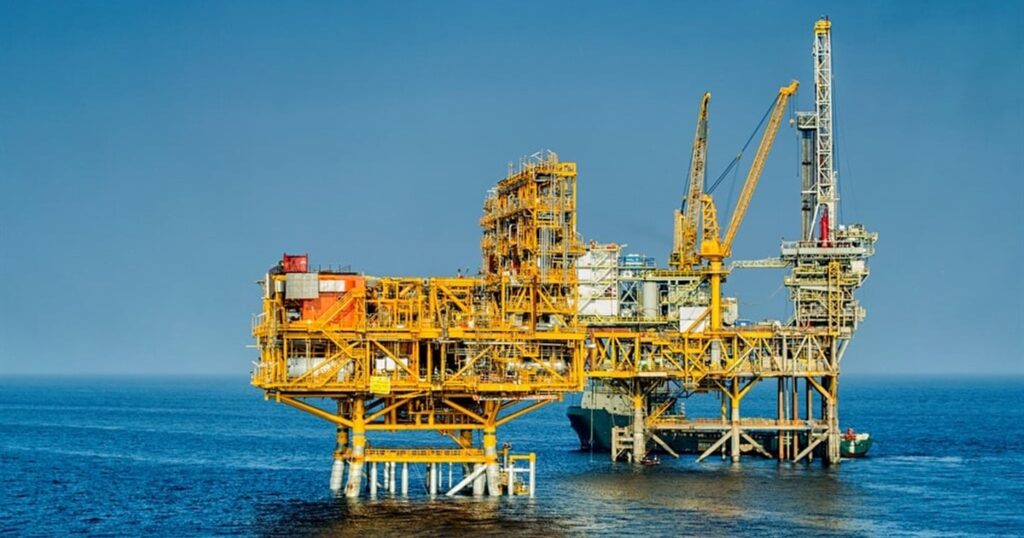
Offshore oil and gas platforms are among the most demanding operating environments in the world. Equipment installed offshore must withstand:
- Salt-laden air
- High humidity
- Extreme temperatures
- Continuous vibration
- Limited maintenance access
- Critical safety requirements
In such conditions, reliable backup power is not simply desirable—it is essential.
A battery failure on an offshore platform can affect emergency shutdown systems, fire protection equipment, communication networks, and safety-critical controls.
For decades, nickel-cadmium (NiCd) batteries have been the preferred energy storage technology for offshore oil and gas facilities because of their exceptional durability and reliability.
The Importance of Backup Power Offshore
Unlike land-based facilities, offshore platforms operate in isolated environments.
Emergency backup systems must support:
- Emergency shutdown systems (ESD)
- Fire and gas detection systems
- Communication equipment
- Control systems
- Emergency lighting
- Navigation aids
- Safety monitoring equipment
During a power failure, batteries become the last line of defense.
Challenges Faced by Offshore Batteries
Offshore installations expose batteries to conditions that can significantly shorten battery life.
Common challenges include:
Salt Corrosion
Marine air contains high concentrations of salt particles.
This can accelerate corrosion of:
- Battery terminals
- Electrical connections
- Structural components
High Humidity
Humidity levels offshore often exceed 90%.
This increases the risk of:
- Condensation
- Corrosion
- Insulation degradation
Temperature Variations
Offshore facilities may experience:
- Intense sunlight
- High ambient temperatures
- Seasonal temperature changes
Battery systems must remain reliable under all conditions.
Limited Maintenance Access
Unlike industrial facilities on land, offshore platforms may only receive maintenance visits periodically.
Therefore, batteries must be capable of operating reliably for extended periods with minimal intervention.
Why NiCd Batteries Excel Offshore
Exceptional Reliability
The oil and gas industry values proven technologies.
NiCd batteries have demonstrated reliable operation in offshore applications for decades.
This track record is one of their greatest strengths.
Excellent High Temperature Resistance
Many offshore battery rooms experience elevated temperatures.
NiCd batteries maintain:
- Stable capacity
- Reliable discharge performance
- Long service life
even in hot environments.
Strong Corrosion Resistance
Industrial NiCd batteries are typically designed with:
- Robust steel construction
- Durable terminal systems
- Industrial-grade enclosures
This helps them withstand harsh marine conditions.
Long Service Life
Industrial pocket plate NiCd batteries often achieve:
- 15 years
- 20 years
- 25 years
of operational life.
This significantly reduces replacement costs and maintenance requirements.
Deep Discharge Capability
Emergency events may require prolonged battery operation.
NiCd batteries tolerate:
- Deep discharge
- Repeated cycling
- Extended backup operation
without major performance degradation.
Typical Offshore Applications
NiCd batteries are commonly used in:
Emergency Shutdown Systems
Provide power to critical shutdown controls.
Fire and Gas Detection Systems
Ensure continuous safety monitoring.
Communication Networks
Support offshore communication equipment.
Emergency Lighting
Maintain visibility during power outages.
Navigation and Safety Systems
Protect personnel and vessels.
NiCd vs Lead Acid for Offshore Applications
| Feature | NiCd Battery | Lead Acid Battery |
|---|---|---|
| Service Life | 15–25 Years | 5–15 Years |
| High Temperature Performance | Excellent | Moderate |
| Deep Discharge Recovery | Excellent | Limited |
| Corrosion Resistance | Excellent | Good |
| Maintenance Requirements | Low | Higher |
| Reliability | Excellent | Good |
Why Offshore Operators Prefer Lifecycle Value
Offshore projects evaluate equipment based on:
- Reliability
- Safety
- Operational continuity
- Lifecycle cost
rather than initial purchase price.
Battery replacement offshore is expensive because it may involve:
- Specialized transportation
- Offshore logistics
- Shutdown planning
- Additional labor costs
Long-life NiCd batteries help minimize these expenses.
Future of Offshore Battery Systems
As offshore energy projects expand globally, battery systems will continue playing a critical role.
Emerging applications include:
- Offshore wind farms
- Floating solar platforms
- Hybrid energy systems
- Remote monitoring systems
NiCd batteries remain highly relevant in these environments due to their durability and reliability.
FAQ
Why are NiCd batteries used offshore?
Because they offer exceptional reliability, long lifespan, and strong resistance to harsh marine conditions.
Can NiCd batteries handle high humidity?
Yes. Industrial NiCd batteries are designed to operate reliably in humid environments.
How long do offshore NiCd batteries last?
Typically 15–25 years under proper operating conditions.
Are lithium batteries replacing NiCd offshore?
Lithium batteries are being introduced in some projects, but NiCd remains a trusted solution for critical safety systems.
What is the biggest advantage of NiCd batteries offshore?
Their proven reliability in harsh marine environments.
Conclusion
Offshore oil and gas facilities demand the highest levels of reliability and safety.
NiCd batteries continue to meet these requirements by providing:
- Long service life
- High-temperature tolerance
- Corrosion resistance
- Deep discharge capability
- Proven operational reliability
For critical offshore applications, NiCd batteries remain one of the most dependable energy storage technologies available today.