purchase guide
Comparison of AGM Batteries and GEL Batteries
AGM (Absorbent Glass Mat) batteries and GEL (Gelled Electrolyte) batteries are both types of lead-acid

AGM (Absorbent Glass Mat) batteries and GEL (Gelled Electrolyte) batteries are both types of lead-acid
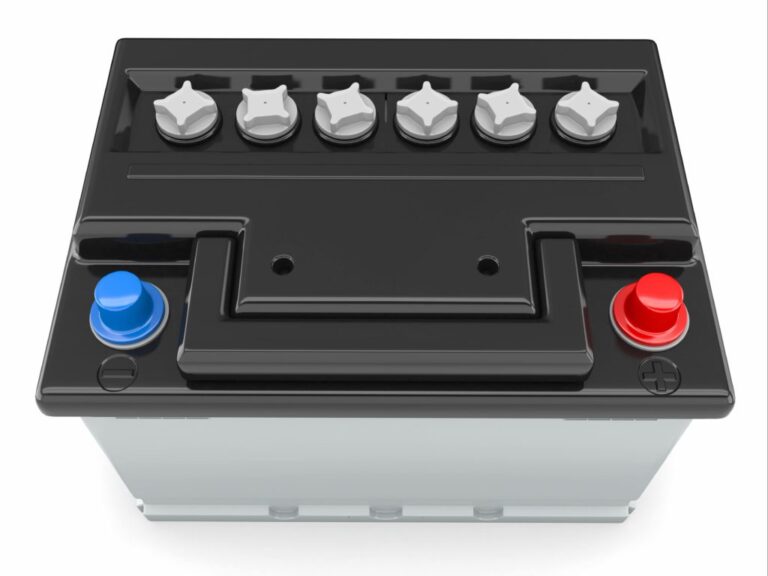
The weight of a lead-acid battery is not necessarily an indicator of its quality or
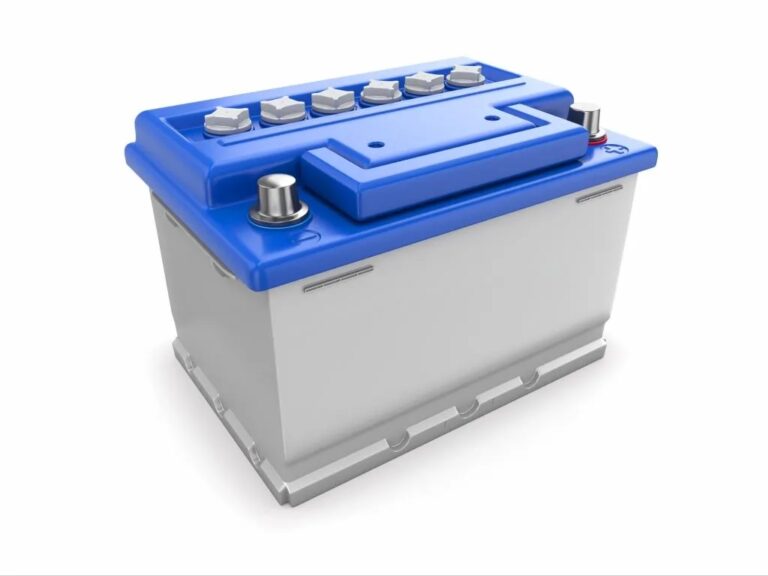
Judging the quality of lead-acid batteries involves assessing various factors related to their construction, performance,
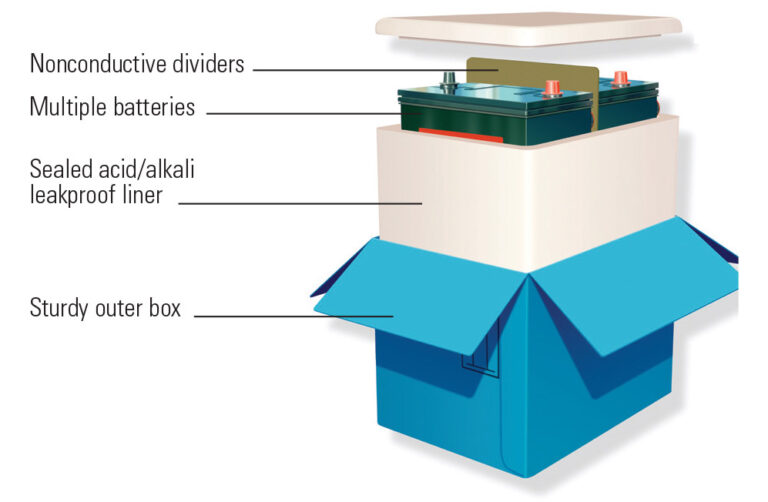
Transporting lead-acid batteries requires careful handling to ensure safety and compliance with regulations. Always consult
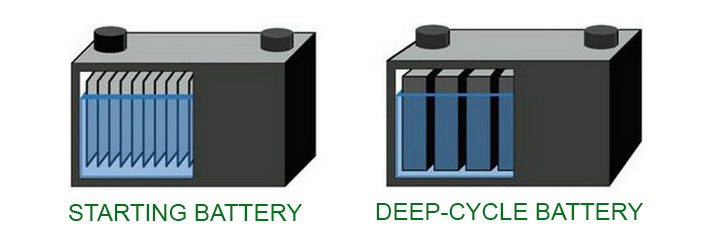
Lead-acid batteries can be classified into different types based on their design, construction, and specific
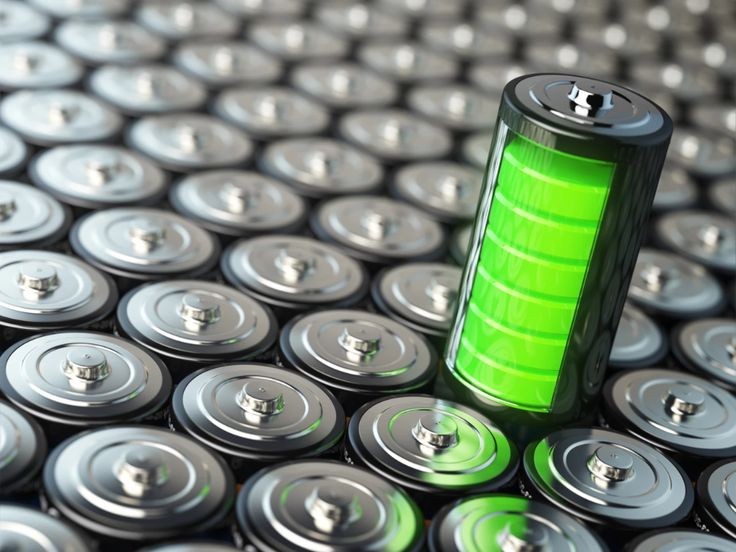
how to properly charge and maintain your Lithium-ion battery:
1. Correct charging method
2. Maintenance skills
3. Use safety alerts
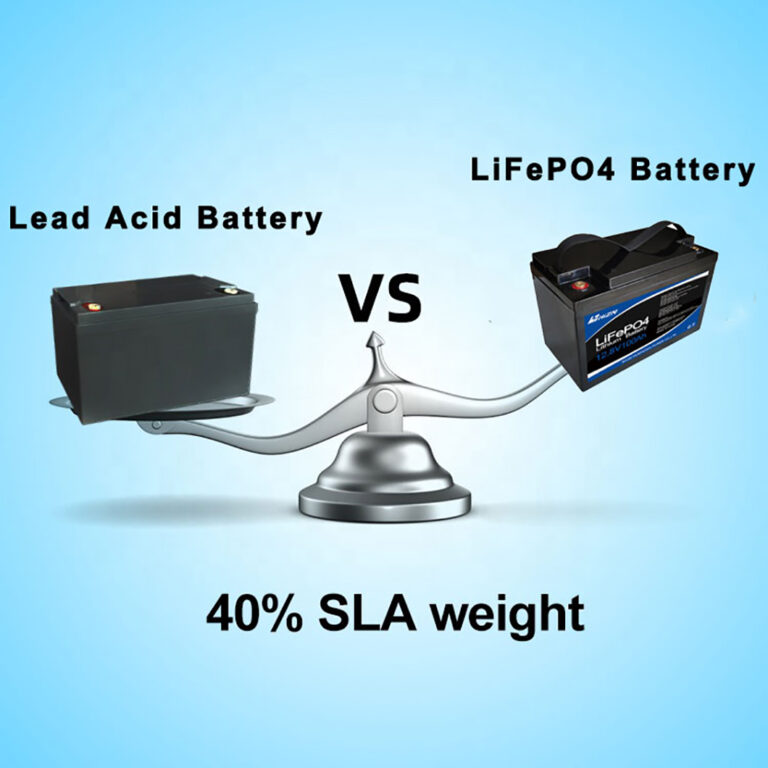
lithium batteries have advantages in terms of high performance, light weight and long life, while lead-acid batteries are more prominent in terms of economy and cost. Which battery to choose depends on the specific application requirements and usage scenarios.
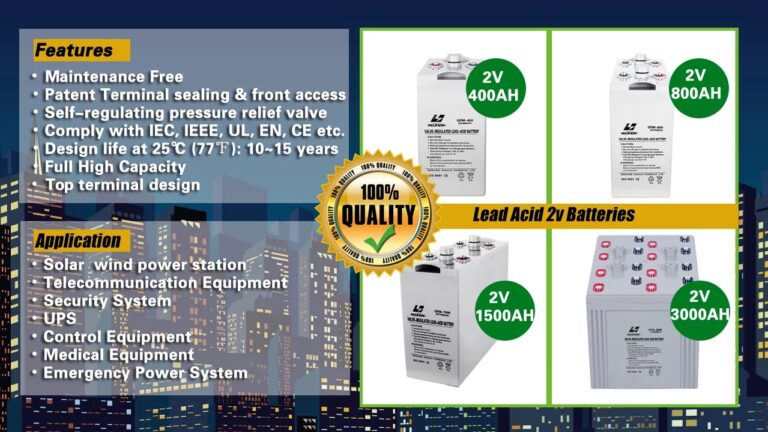
Due to differences in the types of electrode plates, manufacturing conditions, and use methods, the causes of battery failure ultimately vary. To sum up, the failure of lead-acid batteries has the following situations.
As we all known, the optimum operating temperature for general storage batteries is between 15℃ and 25℃. In this temperature range, the battery can maintain the best working condition. Too high or too low temperature will have an impact on the service life of lead-acid batteries.
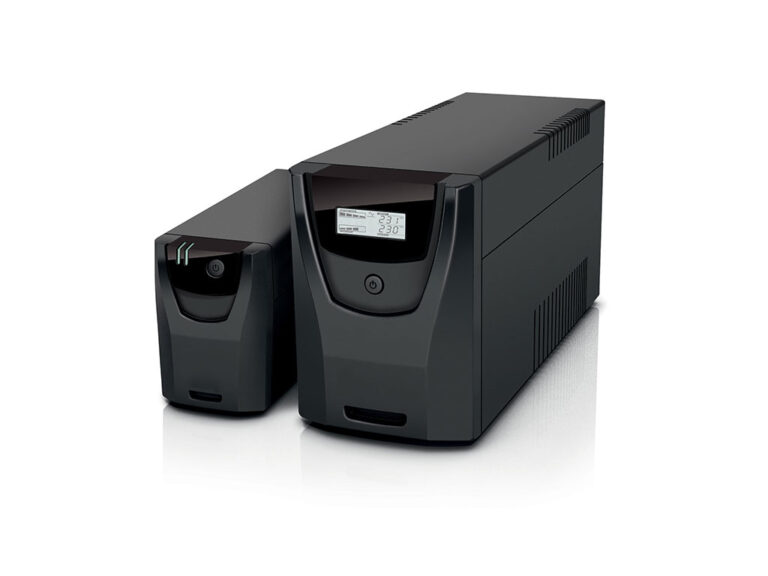
For communication networks, to ensure that the safe power supply of the network is not interrupted, it is always the first priority. The use of the UPS system on communication power is first used as an emergency backup power supply. Reliable switching.